
50 Wheat Pennies (Unsearched Shotgun Roll): Vintage Lincoln Cents for Beginner Collectors
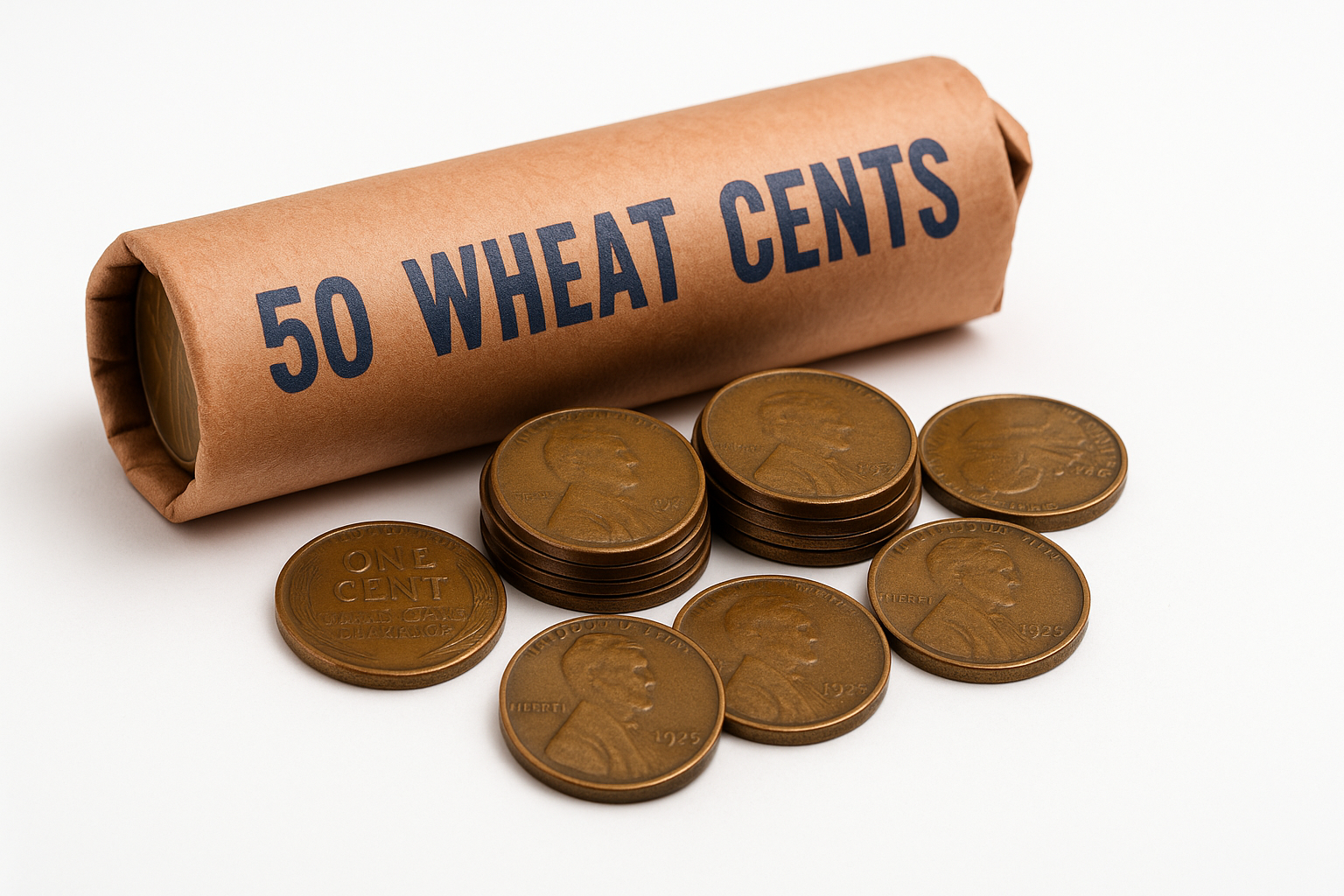
50 Wheat Pennies (Unsearched Shotgun Roll) – Mixed Years Circulated Good or Better
Introduction
The 50 Wheat Pennies (Unsearched Shotgun Roll) – Mixed Years Circulated Good or Better is aimed at collectors who want an affordable way to handle and sort a quantity of pre‑1959 Lincoln cents. The roll contains 50 circulated wheat pennies, typically covering a spread of dates with the classic wheat‑ear reverse design and a copper composition of about 95%.
While the term "unsearched" is a major part of the appeal, it can also be one of the most misunderstood claims in modern coin listings. This review walks through what you are actually getting, how it fits into a beginner or hobbyist’s collection, and where its strengths and weaknesses lie.
Key Points
- Quantity and format: One standard shotgun roll containing 50 Lincoln wheat cents.
- Date range: Mixed years, generally from 1909–1958, though most modern bulk rolls heavily favor 1940s–1950s common dates.
- Condition: Advertised as circulated, good or better. Expect coins with visible design details but also wear, toning, and contact marks typical of older circulation.
- Metal content: Classic U.S. bronze composition for wheat cents (primarily copper), which can be attractive to both coin and copper enthusiasts.
- Target buyer: New collectors, gift buyers, and hobbyists who enjoy the fun of searching through a roll more than chasing specific key‑date investments.
- Price positioning: Typically sold at a collector premium over face value; check the current listing ($17.89) to see how it compares with other bulk wheat‑cent sources.
Experience
From a handling and collecting standpoint, this product is about the experience of the hunt more than about guaranteed numismatic value.
-
Unwrapping the shotgun roll
The roll usually arrives as a crimped paper shotgun roll. Opening it has the same tactile appeal as bank‑wrapped rolls: you see two “ender” coins first, then gradually work your way through the stack. For gift purposes or for introducing someone to coin collecting, that unwrapping moment is often a highlight. -
What you’re likely to find
Despite the “mixed years” description, most modern wheat‑cent rolls on the market skew heavily toward:- 1940s and 1950s Philadelphia and Denver mint issues
- Occasional 1930s dates
- Less frequent early teens or 1920s pieces
You might find coins with attractive toning or slightly higher grades (Fine to Very Fine), but you should not plan on rare key dates or high‑grade coins. If any better varieties show up, consider them a pleasant bonus rather than an expectation.
-
Condition in the hand
"Good or better" for circulated wheat cents generally means:- Liberty and the date are readable
- Lincoln’s portrait and the reverse wheat ears are clear enough to identify
- Moderate to heavy wear is present
- Color ranges from brown to darker chocolate tones, with occasional red‑brown pieces
For a beginner, this is usually more than enough detail to learn how to read dates, mint marks, and basic grading.
-
Educational value
Where this roll shines is as a teaching and practice tool:- Learning to identify mint marks (no mint mark vs. D vs. S)
- Practicing basic grading on inexpensive material
- Getting comfortable with sorting, storing, and cataloging coins
It can also be a low‑risk way to introduce children or new hobbyists to numismatics without handing them expensive individual coins.
-
Value considerations
Since you are buying $0.50 in face value for a collector premium, the key question is whether the entertainment and educational value justify the markup. That makes it especially important to:- Compare the current price ($17.89) with local coin‑shop bulk wheat‑cent bins
- Decide whether you prefer known common dates at a lower per‑coin cost, or the surprise factor of a mystery roll
Pros
- Fun search experience: Opening an “unsearched” roll is engaging and can feel like a small treasure hunt.
- Beginner‑friendly: Ideal for new collectors who want inexpensive practice coins for sorting and grading.
- Pre‑1959 copper: All coins are classic wheat cents with the iconic reverse and high copper content, which many collectors prefer to modern zinc cents.
- Mixed dates: Typically includes at least some variation in dates and mint marks, offering variety in a single purchase.
- Giftable format: The shotgun roll presentation makes it a simple, self‑contained gift for coin‑curious friends or family.
Cons
- "Unsearched" is not a guarantee: In today’s market, most bulk wheat‑cent lots have been searched at least once for obvious key dates and high‑grade pieces. Buyers should assume that major rarities have already been removed.
- Heavy concentration of common dates: Expect a majority of 1940s–1950s coins with few truly early or semi‑key dates.
- Circulated and often well‑worn: If you are looking for high‑grade or certified material, this product is not a substitute for individually selected coins.
- Premium over face value: You pay a collector’s premium for the roll and the “mystery,” which may not appeal to strictly value‑driven buyers.
- No grading or certification: All coins are raw and uncertified, so condition can vary from the generic “good or better” description.
Verdict
The 50 Wheat Pennies (Unsearched Shotgun Roll) – Mixed Years Circulated Good or Better is best viewed as an entry‑level collecting experience rather than a way to acquire high‑value numismatic material.
If you are:
- New to coin collecting,
- Buying a hands‑on, educational gift, or
- Someone who simply enjoys the suspense of searching through old coins,
then this roll delivers a satisfying mix of vintage Lincoln cents in a convenient format, with an engaging unwrapping and sorting experience. The key is to approach it with realistic expectations: assume you are buying common, circulated wheat cents at a premium for the entertainment value, not for guaranteed key dates or investment‑grade pieces.
Before purchasing, compare the current list price ($17.89) to what local coin shops or online bulk sellers charge for similar wheat‑cent lots. If the difference is acceptable to you and you value the convenience and presentation, this product can be a fun and accessible way to add pre‑1959 U.S. cents to your collection.