
HOME GROWN Zinnia Dahlia Seeds Pack for 2026: High-Impact Color From an Easy-Care Mix
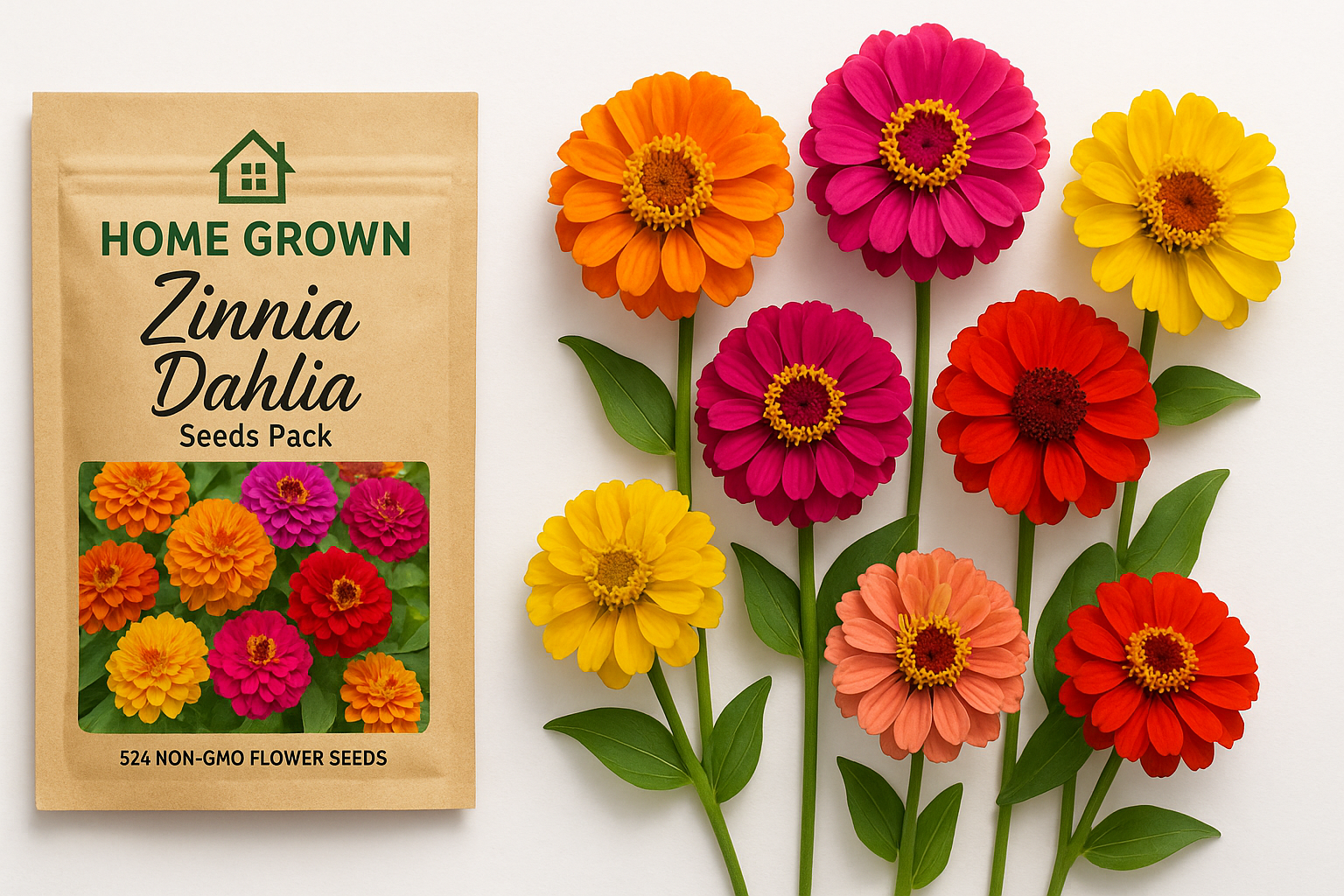
HOME GROWN Zinnia Dahlia Seeds Pack for 2026 Review
Introduction
The HOME GROWN Zinnia Dahlia Seeds Pack for 2026 (524 Non-GMO Flower Seeds) is aimed at home gardeners who want a long season of bright, pollinator-friendly blooms without complicated care. Combining vibrant Zinnia elegans varieties in one mix, this pack is marketed for borders, pollinator gardens, and containers, promising high germination and an extended display of color.
Below, we break down real-world usability: how well the seeds germinate, what the plants look like through the season, and where this mix fits best in a home garden. We’ll also weigh the pros and cons to help you decide if this is the right annual flower pack for your beds or pots.
Note: At the time of writing, this seed pack is available on Amazon for around $7.99, which positions it as a budget-friendly option given the quantity of seeds included.
Key Points
- Type: Annual flower seed mix featuring Zinnia elegans in dahlia-style forms
- Seed Count: Approximately 524 seeds per pack
- Genetics: Non-GMO
- Use Cases: Pollinator gardens, mixed borders, cottage-style beds, and large or small containers
- Sun Requirements: Full sun (6+ hours per day) for best flowering
- Soil & Climate: Adapts to average garden soil; thrives in warm conditions and summer heat
- Maintenance Level: Low to moderate; deadheading improves bloom production but is not strictly required
Experience
Setup and Sowing
The pack contains a generous quantity of seeds, so you can either densely plant a single bed or spread the mix across several smaller areas. The seeds are small and dry, with no visible coatings or treatments, which will appeal to gardeners who prefer minimal additives.
For most temperate climates, direct-sowing after the last frost works well:
- Prepare the soil by loosening the top few inches and removing large clumps or stones.
- Scatter the seeds thinly over the surface or in rows, then cover very lightly with fine soil (about 1/4 inch). Zinnias do not germinate reliably if buried too deep.
- Water gently but thoroughly, keeping the soil consistently moist (not waterlogged) until seedlings are established.
Because zinnias dislike root disturbance, direct-sowing is often more successful than starting indoors and transplanting, though cell trays with minimal root disruption can still work.
Germination and Early Growth
With proper warmth and moisture, germination typically occurs within 5–10 days. Once established, seedlings grow quickly, forming sturdy stems and healthy foliage. Even in average soil, the plants develop a robust framework capable of supporting numerous blooms.
Spacing is important for airflow; crowded plants can be more prone to powdery mildew later in the season. Thinning to roughly 8–12 inches apart generally balances fullness with disease prevention.
Bloom Performance
One of the strongest points of this pack is season-long color. Once flowering begins—usually 6–8 weeks after sowing—plants can bloom continuously into fall, especially if you:
- Remove spent flowers (deadhead) to encourage new bud formation
- Provide consistent watering during prolonged hot, dry spells
The mix leans heavily into vibrant, saturated hues often associated with zinnias: oranges, pinks, reds, yellows, and bi-colors. The dahlia-like forms give blooms a fuller, more layered look compared to basic single zinnias, making them stand out in both garden beds and cut arrangements.
Pollinators and Garden Use
Zinnias are well known for attracting butterflies, bees, and other beneficial insects. In a mixed garden, these flowers can help support pollinator populations while also providing visual impact.
Practical ways to use this mix:
- Pollinator strips: Sow a dedicated strip along a vegetable garden or fence line.
- Front or mid-border color: Combine with foliage plants (like ornamental grasses or silver-foliage perennials) for contrast.
- Cutting garden: Harvest stems regularly for vases; cutting often encourages more blooms.
- Containers: Large, deep containers can host several plants for a compact but showy display.
Pros
- High seed count: About 524 seeds give you enough for generous plantings, reseeding, or experimentation.
- Non-GMO: Appeals to gardeners seeking more natural or minimally altered seed stock.
- Extended bloom season: Flowers from mid-summer well into fall with basic care.
- Strong color impact: Bold, dahlia-style zinnia blooms create high-visibility displays from a distance.
- Pollinator-friendly: Excellent for attracting butterflies, bees, and other beneficial insects.
- Versatile planting options: Suitable for borders, cutting gardens, containers, and dedicated pollinator beds.
- Beginner-friendly: Zinnias are forgiving, making this a good entry point for newer gardeners.
Cons
- Annual only: Plants do not return the following year; you must re-sow each season.
- Disease sensitivity in humid climates: Like many zinnias, can develop powdery mildew if air circulation is poor or if foliage remains wet for long periods.
- Color and form variability: Being a mix, you cannot precisely control the final color balance or flower forms in your garden.
- Not ideal for deep shade: Requires full sun; performance drops noticeably in part shade or heavy shade.
- Basic packaging: Seed packs of this type may not include detailed, region-specific planting guidance, so beginners must pay attention to local frost dates and conditions.
Verdict
The HOME GROWN Zinnia Dahlia Seeds Pack for 2026 is a strong value proposition for gardeners wanting maximum color and pollinator activity from a single seed mix. The high seed count and easy germination make it suitable for everything from small city plots to expansive cottage-style borders.
If you’re looking for meticulously curated, single-color beds or strictly defined flower forms, a more specialized, single-variety zinnia line might suit you better. However, if your priority is long-lasting, low-fuss, high-impact blooms that support pollinators and work in many garden layouts, this pack is easy to recommend—especially given its accessible price point around $7.99.
For home gardeners planning ahead for the 2026 season, this seed mix offers a reliable and colorful way to fill beds, borders, and containers with vibrant, butterfly-attracting flowers from early summer through fall.