
Nintendo Switch 2 System: A Flexible Next‑Gen Upgrade for Hybrid Gaming
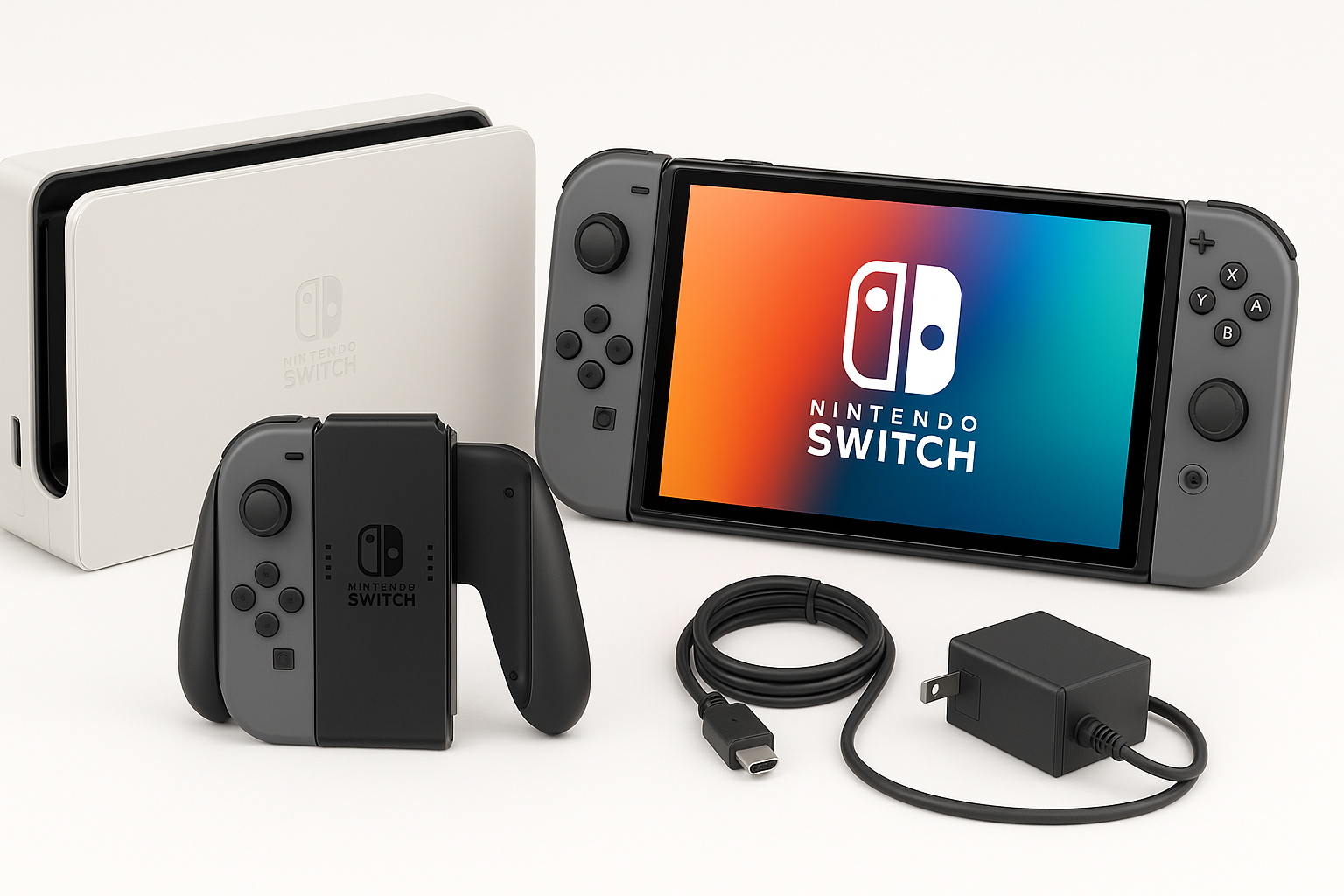
Nintendo Switch 2 System Review
Introduction
The Nintendo Switch 2 System builds on Nintendo’s hybrid console concept, aiming to deliver a smoother, more powerful take on the play‑anywhere experience. Designed to move seamlessly between handheld and TV play via a docking station, it targets a wide audience: families, casual players, and long‑time Nintendo fans who want a flexible system for both solo and shared gaming.
Positioned around $449.00 on Amazon, the Switch 2 sits in the middle of the console market, emphasizing versatility and exclusives rather than raw power alone.
Setup / Getting Started
Getting started with the Nintendo Switch 2 System is straightforward, even for first‑time console owners.
- Unboxing and Hardware Overview
- In a typical retail box, you can expect the main console unit with integrated screen, detachable controllers, a docking station for TV play, a power adapter, and an HDMI cable. Some bundles may also include controller straps or a basic controller grip.
- Initial Hardware Setup
- Handheld mode: Attach the controllers to the sides of the screen until they click into place. This creates a unified handheld device that’s ready to go out of the box.
- TV mode: Connect the dock to your TV with the included HDMI cable, plug in power, and slide the console into the dock. The system should automatically output to your TV once powered on.
- System Configuration
- On first boot you’ll walk through:
- Language and region selection
- Wi‑Fi setup
- Date and time
- Creating or linking a Nintendo account
- The process is guided and simple, taking roughly 10–20 minutes depending on network speed and whether you already have a Nintendo account.
- Game Installation
- Cartridge‑based games start quickly after a brief first‑time update in many cases.
- Digital purchases are downloaded from the online store, so a stable home network is helpful. Adding a microSD card early is recommended if you plan to build a sizeable digital library.
Daily Usage
In day‑to‑day use, the Nintendo Switch 2’s biggest asset is flexibility. You can start a session on the TV, undock, and continue in handheld mode with minimal friction.
- Handheld Experience
- The built‑in display offers sharp visuals and responsive touch controls (where supported). It’s comfortable for shorter to medium‑length sessions; longer play times may benefit from a stand or more ergonomic grip, especially for adult hands.
- Docked/TV Experience
- In docked mode, the system behaves like a traditional console. You can use the included controllers in a grip or pair it with a separate gamepad. For family living rooms, the quick wake‑from‑sleep and simple interface make it easy for different household members to jump into their own games.
- Local Multiplayer
- Detachable controllers make it natural to share a single console for couch co‑op. Many Nintendo titles support two players with just the included controllers, making the Switch 2 appealing as a party or family system without heavy investment in extra accessories.
- On‑the‑Go Gaming
- For commuters or travelers, the console sleeps and resumes quickly, so you can pick up right where you left off. Battery life will vary based on game intensity and brightness settings, but the system is clearly intended for portable gaming sessions of a few hours at a time.
Performance & Reliability
The Nintendo Switch 2 System is not aimed at competing spec‑for‑spec with high‑end home consoles, but rather at providing stable performance and solid visuals in both portable and docked modes.
- Game Performance
- First‑party Nintendo titles are typically well‑optimized, offering smooth frame rates and polished presentation. Third‑party games can be more variable, but the platform is generally capable of handling a wide variety of genres, from fast‑paced action to slower strategy and indie titles.
- Thermals and Noise
- The console is designed to remain relatively quiet, especially in handheld mode. Under heavier loads while docked, subtle fan noise is normal, but it usually stays unobtrusive in a typical living‑room environment.
- System Software
- The user interface is minimalist and responsive, focusing on quick access to your game library and settings. Regular firmware updates (delivered over Wi‑Fi) target stability, compatibility, and occasional feature enhancements.
- Reliability Over Time
- Nintendo hardware generally has a good reputation for durability. That said, as with any console featuring detachable controllers and moving parts, careful handling and the occasional accessory replacement (for heavily used controllers) should be expected over the lifespan of the system.
What Works Well
- Hybrid Design
- The ability to use the same system as both a handheld and a TV‑connected console remains the Switch family’s defining strength. It reduces the need to choose between a traditional console and a portable.
- Family‑Friendly and Accessible
- The interface is simple, parental controls are well‑integrated, and there is a rich ecosystem of family‑oriented and local multiplayer titles. This makes the Nintendo Switch 2 System particularly suitable for shared household use.
- Exclusive Game Library
- Nintendo’s franchises remain a strong draw. If you enjoy platformers, party games, and character‑driven adventures, the Switch ecosystem is often the only place to play many of these titles.
- Quick Sleep/Wake and Portability
- Instant sleep and resume make it easy to fit gaming into short windows of time—ideal for busy adults, students, or parents.
- Value for Hybrid Use
- At around $449.00, the Switch 2 offers both a home console and portable device in one package, which can represent better value than purchasing separate systems for each use case.
What Could Be Improved
- Online Features and Services
- Online functionality is serviceable but still trails some competing platforms in terms of social features, voice chat integration, and overall network experience. Players heavily focused on online multiplayer may find the system less full‑featured than alternatives.
- Internal Storage
- Built‑in storage can feel limiting if you prefer digital purchases, making a microSD card almost a necessity for larger libraries. This is especially relevant if multiple household members share the same console.
- Controller Ergonomics
- While the included controllers are clever and versatile, they may feel small or cramped during extended sessions, particularly for adults with larger hands. A dedicated ergonomic gamepad is a recommended accessory for frequent docked play.
- Performance Gap to High‑End Consoles
- Visual quality and performance are generally good for the system’s design goals, but they won’t always match graphically intensive experiences on more powerful home consoles or PCs. Gamers who prioritize maximum fidelity should be aware of this trade‑off.
Overall Impression
The Nintendo Switch 2 System refines Nintendo’s hybrid console concept rather than reinventing it. Its main appeal lies in flexibility: a single device that can live in the family room, commute on the train, and travel easily.
For families, casual players, and fans of Nintendo’s exclusive franchises, it offers a balanced mix of accessibility, portability, and entertainment value at roughly $449.00. Power‑focused gamers and those who live in competitive online modes may find its limitations more noticeable, but for most users looking for a versatile, fun‑first console, the Switch 2 is an appealing and well‑rounded option.