
Rites of the Starling Review: A Dark, Slow-Burn Romantasy Sequel Worth the Hype
Product Context
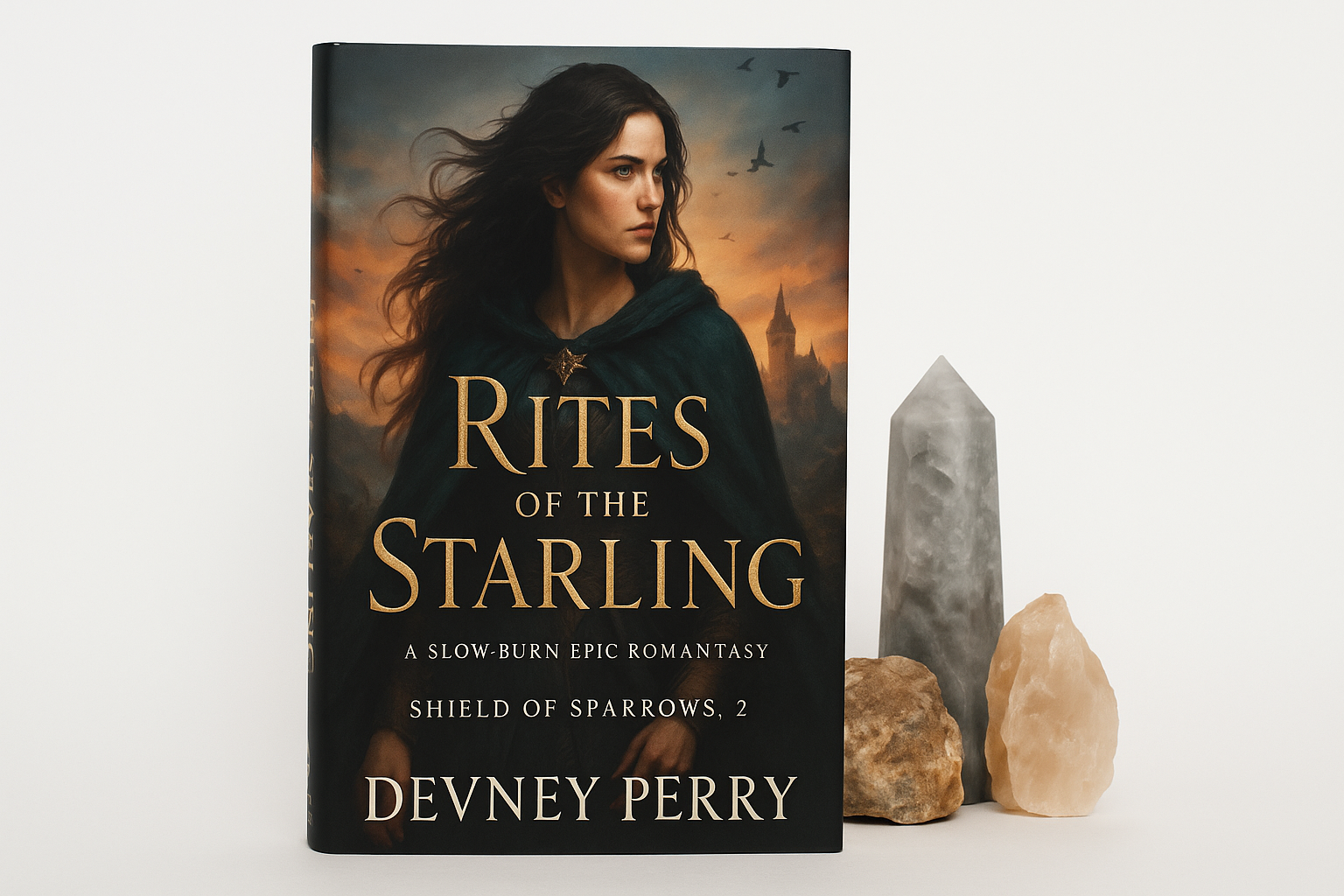
“Rites of the Starling: A Slow-Burn Epic Romantasy (Shield of Sparrows, 2)” by Devney Perry is the second installment in the Shield of Sparrows series, a romantasy blend of epic fantasy stakes and character‑driven romance. It continues directly from the events of Shield of Sparrows, so this is very much a mid‑series sequel rather than a standalone entry.
Calandra, a continent ruled by five fragile kingdoms, is on the brink of catastrophe. The looming crux migration—a cyclical wave of monsters and magical upheaval—forms the apocalyptic backdrop. In the wake of a brutal attack, the heroine Odessa is separated from her husband Ransom and forced on the run with a young girl, Evie, and a powerful, morally ambiguous Voster priest. (thriftbooks.com)
Across the sea and across timelines, starling‑blooded women like Caspia answer the call of the ritus, a sacred, dangerous rite of passage that unlocks shapeshifting abilities and deeper ties to the world’s curses and gods. These intersecting journeys unfold in a world steeped in blood oaths, magical contracts, and ancient, god‑wrought plagues such as the infection called Lyssa. (sobrief.com)
At its core, this is a slow‑burn romantasy: the romance is central and emotionally intense, but threaded through political tension, survival horror, and an expanding mythic history. While the hardcover on Amazon is positioned as a collectible sequel, the story itself is aimed at readers who enjoy long‑form series with layered plots and an emphasis on emotional payoff over instant gratification.
In terms of value, the hardcover edition available via Amazon typically sits around $23.09, which is in line with other special‑run romantasy hardcovers and higher‑end trade releases, especially for a sizeable epic with a substantial page count.
Feature Breakdown
1. Worldbuilding and Setting
The world of Calandra is one of the book’s standout features. Five kingdoms bound by the blood‑signed Shield of Sparrows treaty are trying—and failing—to stave off collapse. The signing of that treaty, overseen by the chilling Voster High Priest, sets the tone for a setting where every promise can carry deadly magical consequences. (thriftbooks.com)
Key worldbuilding elements include:
- The Crux Migration – A coming wave of monsters and magical chaos that functions as a ticking clock for the entire continent.
- Blood Oaths and Magical Contracts – Treaties and vows sealed with blood and magic, making betrayal more than just political; it’s often lethal.
- The Voster Priests – Magic‑wielding religious figures who blur lines between guardian, captor, and antagonist.
- Lyssa Infection – A magical plague that corrupts both humans and monsters, symbolizing the destructive fallout of unchecked power.
- Starling Shapeshifters and the Ritus – A distinct magical system where Starling women undergo a rite to unlock shapeshifting forms, often at great psychological and physical cost. (sobrief.com)
The result is a world that feels lived‑in, dangerous, and thematically cohesive. Curses, monsters, and politics all revolve around the same core ideas: power, sacrifice, and the price of survival.
2. Characters and Relationships
This sequel leans heavily on an ensemble cast, though Odessa remains an emotional anchor.
- Odessa – Traumatized yet determined, she’s thrust into a guardian role for Evie while grappling with separation from Ransom and the constant presence of a Voster priest whose motives are never fully clear.
- Ransom – Often physically absent but emotionally central, his struggle—especially with threats like Lyssa—drives much of Odessa’s fear and hope.
- Caspia and Xandra – Starling cousins whose journey toward the ritus and beyond brings in themes of transformation, sisterhood, and the double‑edged nature of power.
- Evie – The child Odessa protects, quietly raising the stakes and grounding the story’s grand politics in something personal.
- Supporting cast (Mavins, priests, rulers) – Mercenaries, royals, and clerics who complicate loyalties and reinforce the novel’s recurring themes of found family and betrayal. (sobrief.com)
The romance centers on established relationships rather than meet‑cutes, which allows for deeper emotional beats but also assumes familiarity with book one. Tension comes from separation, sacrifice, and the looming possibility that love alone may not be enough to save anyone.
3. Plot and Structure
Narratively, Rites of the Starling uses dual (and occasionally interwoven) perspectives and timelines. Odessa’s harrowing flight through monster‑ridden wilds runs alongside Caspia’s visionary journey toward and through the ritus, as well as quests to locate the orbits—the remains of ancient magicians whose curse taints the world. (sobrief.com)
Common devices include:
- Prophecy and Visions – Dreams and foresight guide characters but also burden them with dread.
- Journals and Ancestral Records – Written accounts from mothers and ancestors deliver key lore and emotional resonance.
- Parallel Quests – While Odessa fights to keep Evie alive and withstand the Voster’s influence, Caspia and her allies delve into the deeper roots of Calandra’s curse.
The structure amplifies scope, making the world feel vast and interconnected, but it also raises the bar for reader attention—this is a book that rewards careful reading.
Performance Insights
In the context of a romantasy sequel, “performance” comes down to how well the book delivers on the promises of tone, pacing, and payoff.
Pacing and Tension
The story is often described as slow‑burn in both romance and plot development. While there are intense action sequences—monster attacks, ritual scenes, and high‑stakes confrontations—the core experience is one of sustained tension rather than nonstop combat. Downtime is spent exploring trauma, trust, political maneuvering, and the weight of destiny.
Readers who enjoyed the first book’s balance of romance and worldbuilding are likely to find the pacing consistent: deliberate, with major emotional climaxes spaced between quieter character moments.
Emotional Impact
The narrative frequently puts characters through extreme situations: kidnapping, forced marches, near‑constant threat from monsters and infection, and agonizing choices between personal happiness and the greater good. Themes of sacrifice, found family, and the cost of power land strongly due to this steady emotional pressure. (sobrief.com)
The slow‑burn romantic tension between separated lovers, as well as budding or evolving bonds among the ensemble, plays out against a grim backdrop, making every moment of tenderness feel hard‑won.
Series Continuity
As book two, Rites of the Starling depends heavily on prior knowledge of Shield of Sparrows. Character histories, political stakes, and many of the emotional through‑lines are carryovers. For returning readers, that continuity is a strength; for newcomers, it makes this a poor entry point into the series.
Usability
Reading Experience
From a usability standpoint—as a “product” you sit down and consume—the book is designed as:
- A substantial, immersive read: Expect a longer page count and dense chapters with frequent point‑of‑view shifts.
- Emotionally heavy content: Scenes of violence, monstrosity, illness (Lyssa), and intense psychological stress may be draining for some readers.
- High fantasy terminology and lore: Terms like ritus, Lyssa, and specific monster names (bariwolves, grizzur, etc.) are used consistently, which adds flavor but may challenge casual readers. (sobrief.com)
Ideal Reader Profile
You’ll likely get the most from this book if you:
- Enjoy romantasy where the romance is central but intertwined with political intrigue and magic systems.
- Prefer slow‑burn relationships over instant chemistry.
- Don’t mind tracking multiple POVs and timelines.
- Appreciate darker, more horror‑tinged fantasy elements such as magical plagues and monstrous transformations.
If you’re looking for a lighter, quirkier fantasy romance or an easy standalone, this will feel dense and potentially overwhelming.
Format and Collectibility
The specific Amazon listing uses a hardcover format and is often marketed as a limited first print collectible for U.S. and Canadian readers. That’s particularly appealing for collectors who value sprayed edges, special dust jackets, or limited‑run editions typical of romantasy releases, even if the precise production details vary by retailer. (thriftbooks.com)
Trade-offs
Every strong feature in Rites of the Starling comes with a potential drawback, depending on your preferences.
Strength: Deep Worldbuilding vs. Drawback: Complexity
The book excels at layering curses, rituals, gods, and political systems into a cohesive whole. However, that density means:
- You may need to reference earlier chapters or recall details from book one.
- Readers unfamiliar with high fantasy conventions could feel lost amid the lore and terminology.
Strength: Slow-Burn Romance vs. Drawback: Limited Immediate Payoff
The relationship arcs focus on emotional depth, separation, and sacrifice rather than constant flirtation or banter. For some, this is a major selling point; for others, it may feel like the romantic payoff takes too long or is overshadowed by world‑ending stakes.
Strength: Emotional Intensity vs. Drawback: Heavier Tone
The novel dives into fear, grief, bodily transformation, and moral ambiguity. That intensity makes the climaxes powerful, but it also means:
- There are relatively few “light” or comedic scenes.
- Readers prone to emotional fatigue might need breaks, especially during sequences involving Lyssa infection or brutal monster encounters.
Strength: Series Continuity vs. Drawback: Not New‑Reader Friendly
Fans of Shield of Sparrows get clear progression and payoff. New readers, however, will likely miss context and should not treat this as a jumping‑in point.
Conclusion
“Rites of the Starling: A Slow-Burn Epic Romantasy (Shield of Sparrows, 2)” is a confident, ambitious sequel that leans into everything that made its predecessor compelling: intricate worldbuilding, morally gray magic systems, and emotionally charged relationships set against looming catastrophe. It deepens the mythology of Calandra, raises the personal and political stakes, and continues the central romances with a focus on slow‑burn tension rather than instant gratification.
For readers already invested in Devney Perry’s Shield of Sparrows universe—and who enjoy darker, epic‑leaning romantasy—this installment is a strong recommendation. The collectible hardcover edition available on Amazon at around $23.09 makes particular sense if you’re building a matching set or value premium series editions.
If, however, you prefer lighter fantasy, self‑contained plots, or fast, banter‑driven romances, the dense lore, multiple timelines, and heavier themes may feel like a mismatch. In that case, sampling the first book before committing to this sequel is essential.
Overall, Rites of the Starling delivers exactly what its positioning promises: a slow-burn, emotionally intense romantasy that pushes its characters—and its readers—through fear, sacrifice, and transformation in a world where every oath, every rite, and every monster has a price.